An Indian wedding is rarely one event. Most grooms dress for five to ten ceremonies across several days, and each has its own mood, dress code and practical demands. The roka is relaxed and family-focused, the haldi is messy and joyful, the sangeet is a night of dancing, the baraat is a procession, the pheras are sacred and the reception is a formal party. The outfit that is right for one is wrong for another, and the groom who plans the whole sequence looks better, and feels calmer, than one who decides the night before.
This guide sets out what the groom usually wears at each ceremony across Hindu, Muslim, Sikh, Bengali and South Indian weddings, with advice on silhouette, colour, fabric and accessories, and links to our detailed guides for each event. Customs vary between families and regions, so treat it as a framework and check with your elders for anything specific.
The quick answer: a groom’s wardrobe at a glance
| Event | Typical outfit | Mood |
|---|---|---|
| Roka, sagai, engagement | Kurta with Nehru jacket, achkan or bandhgala | Smart, family-focused |
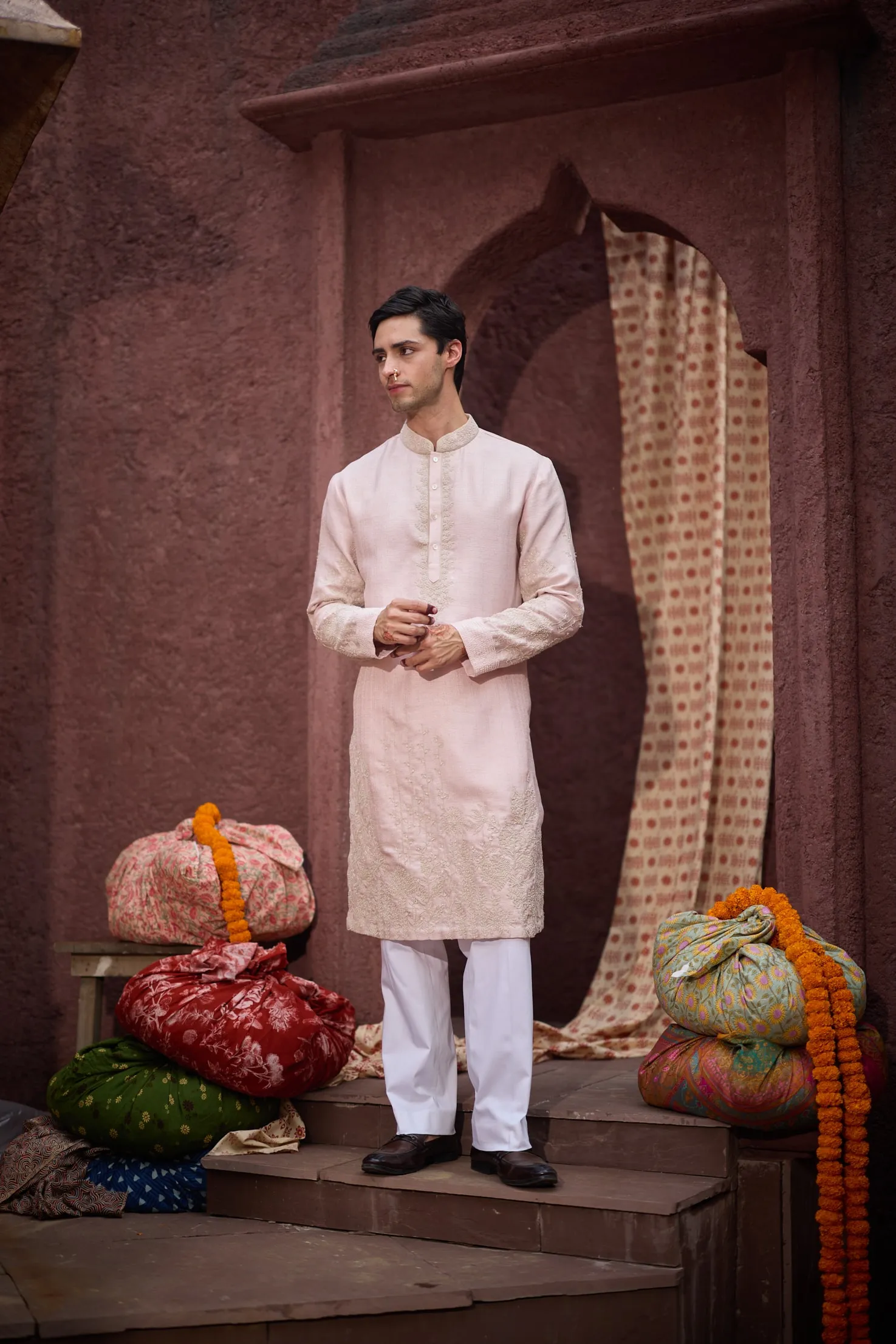
| Haldi | Light kurta set in yellow, ivory or pastel | Joyful, messy |
| Mehendi | Printed or embroidered kurta, colourful jacket | Playful, relaxed |
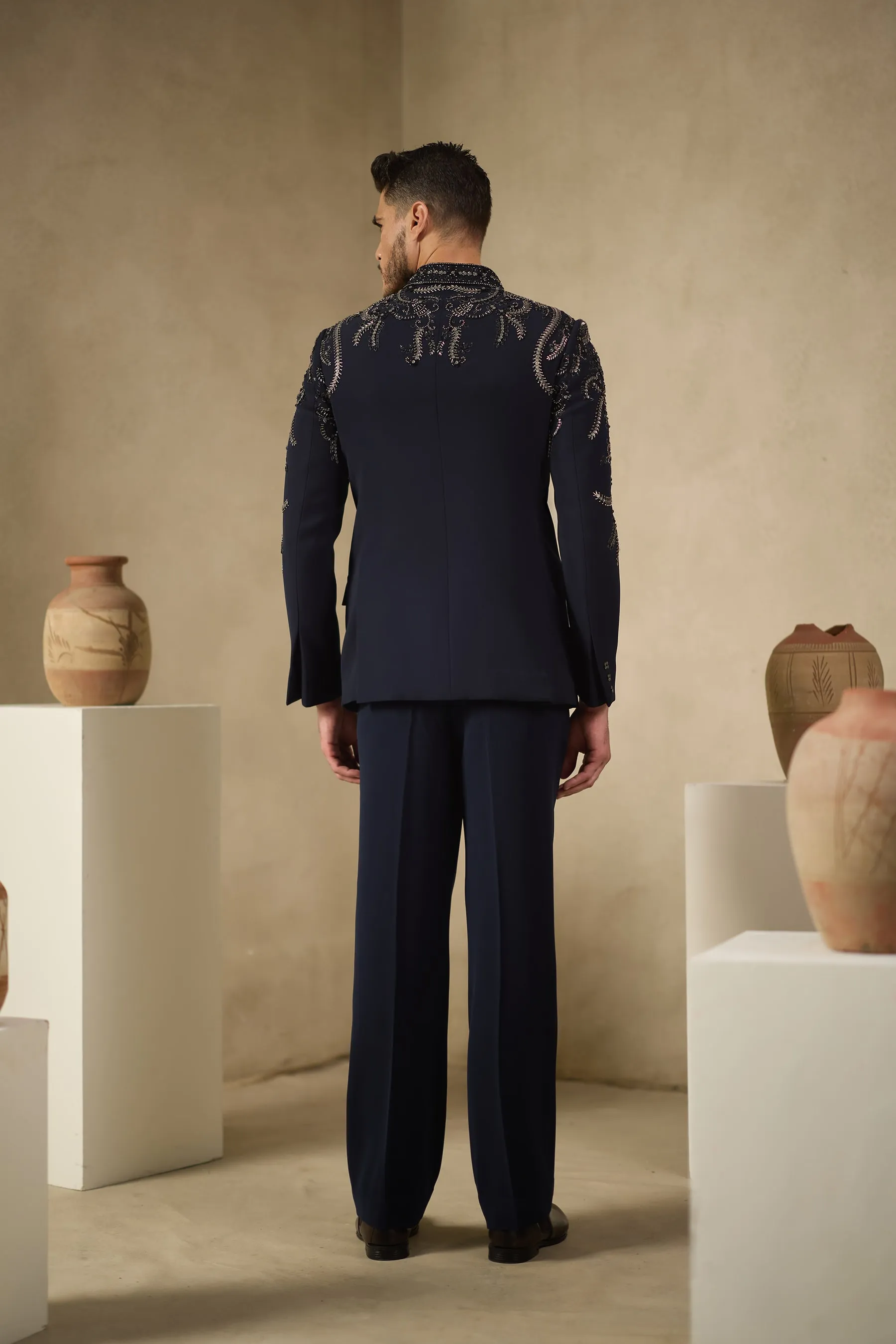
| Sangeet and cocktail | Bandhgala, velvet jacket, Indo-Western set or tuxedo | Glamorous, easy to dance in |
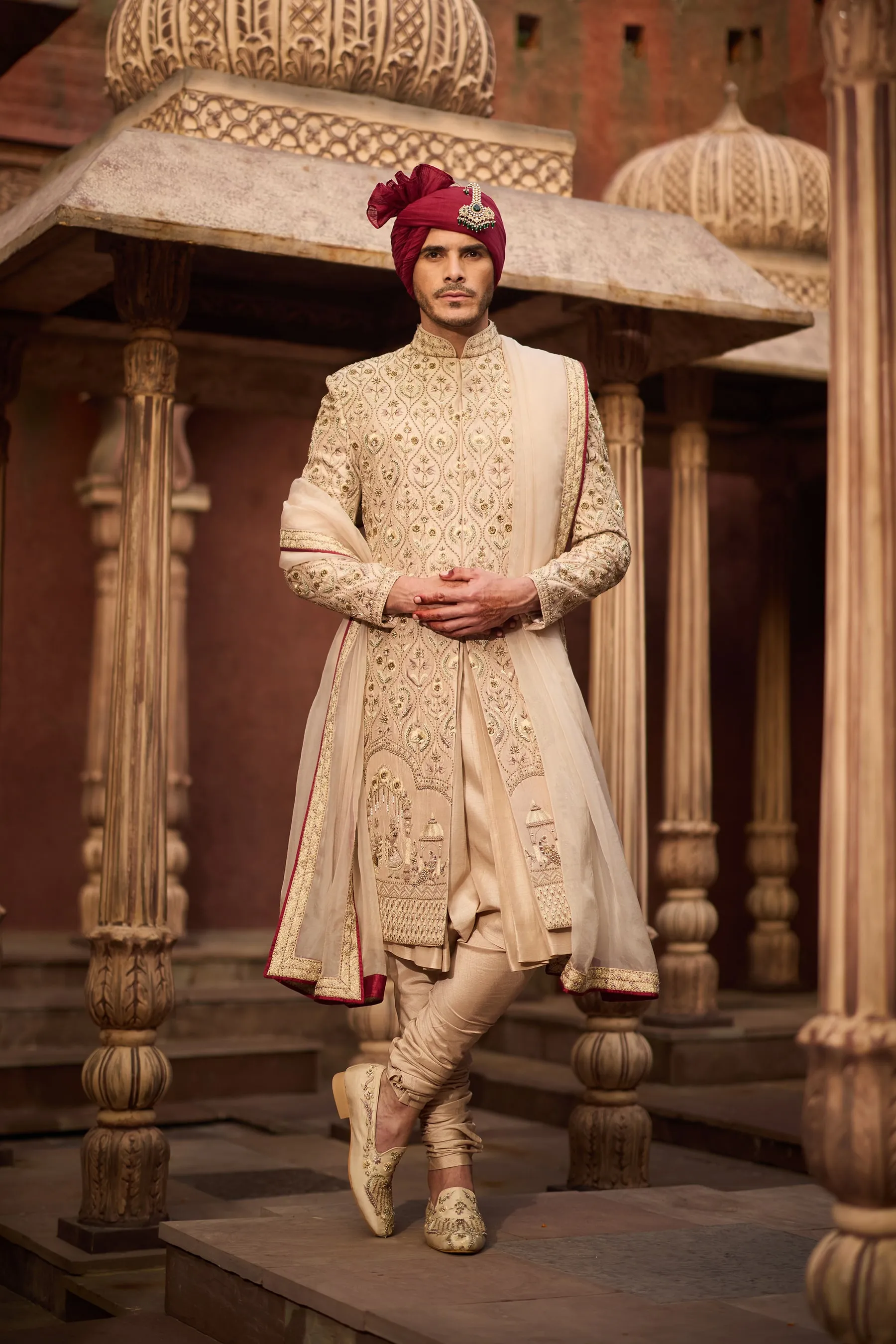
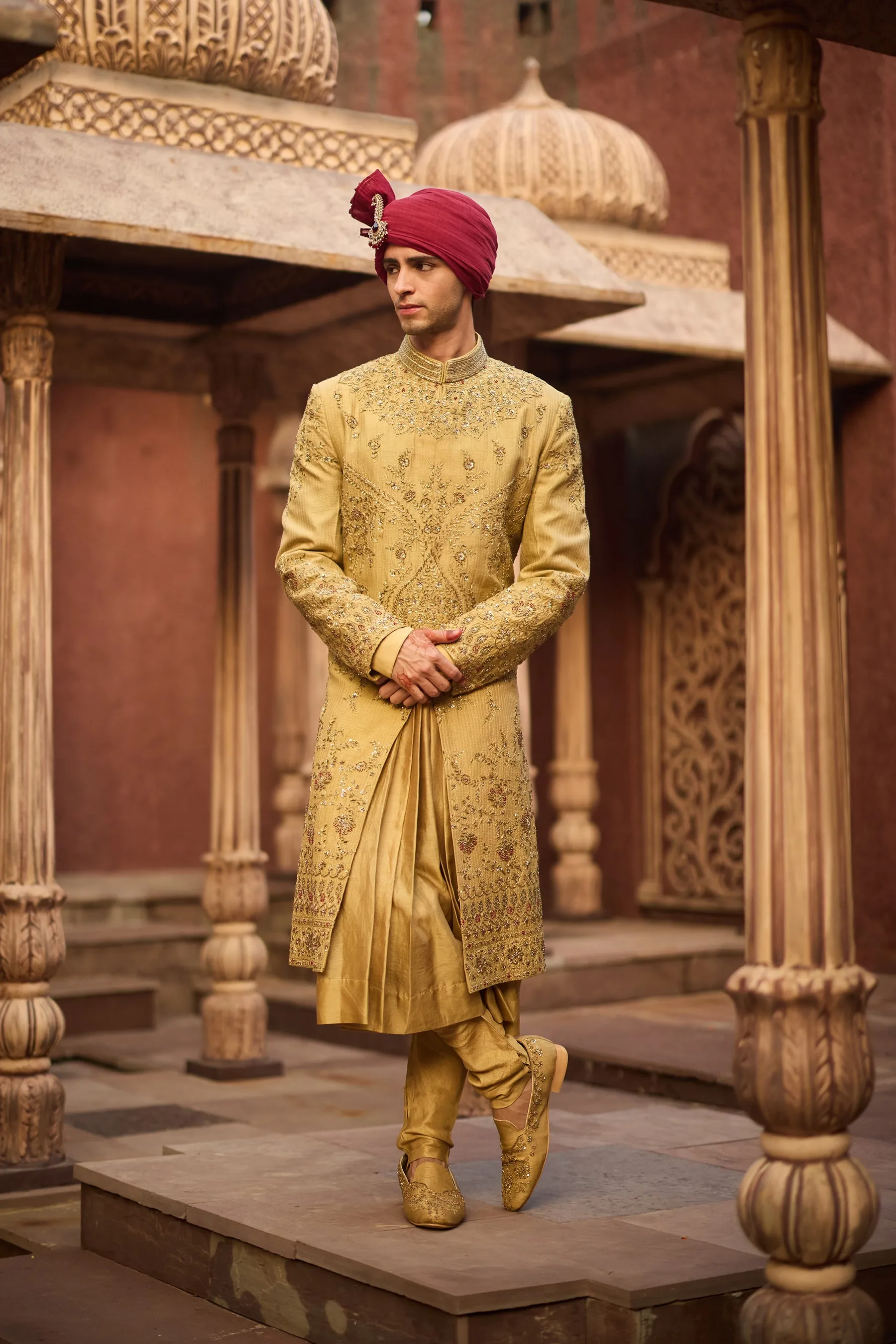
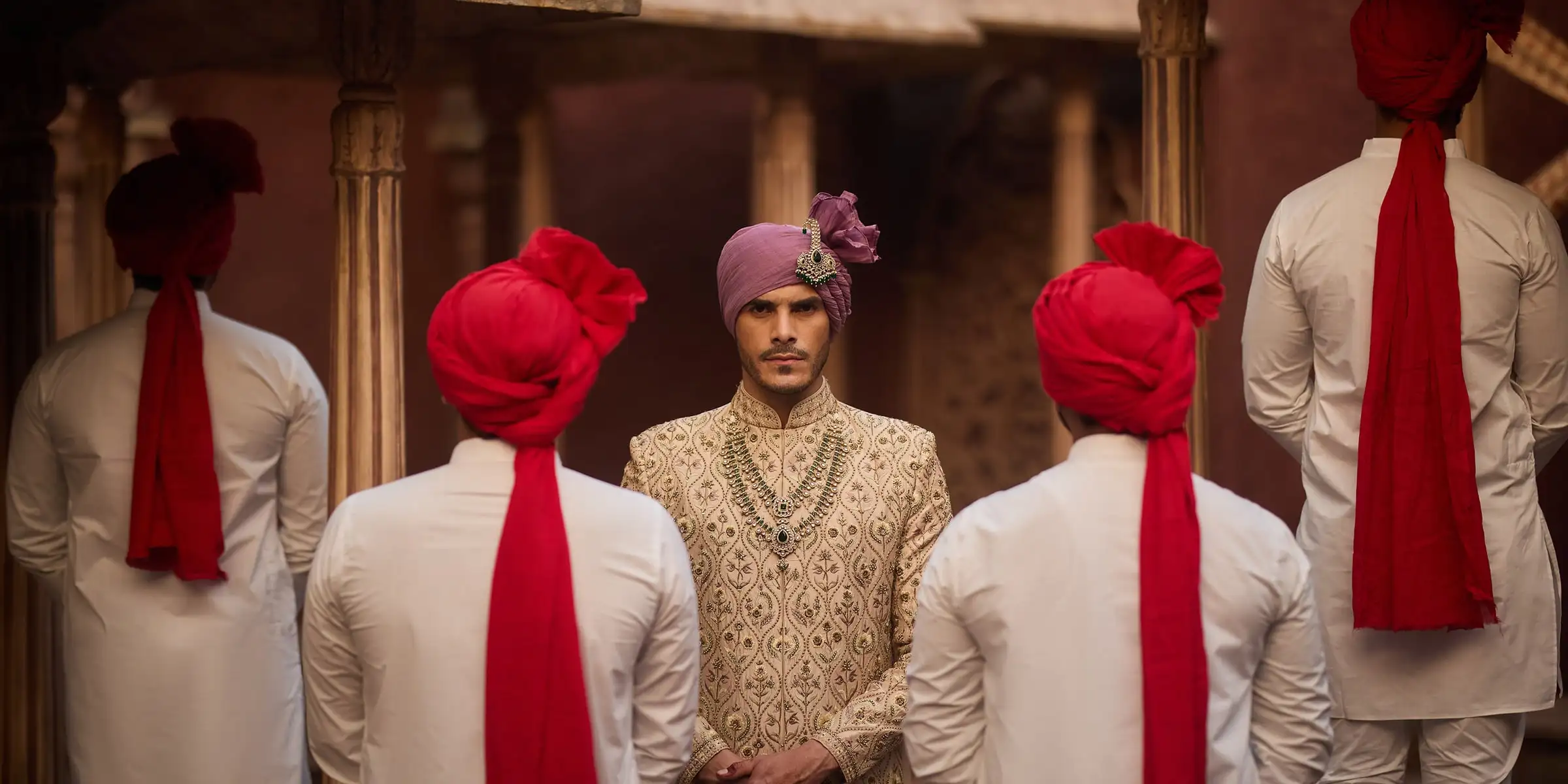
| Baraat and milni | Sherwani with safa or turban | Regal, celebratory |
| Pheras, nikah, Anand Karaj | Sherwani or achkan in a restrained, rich style | Sacred, dignified |
| Reception | Bandhgala, tuxedo or second sherwani | Formal, polished |
Everything below expands on this table.
How to plan a groom’s wardrobe
Before looking at each ceremony, a few principles will save time, money and stress.
- Start with the wedding-day outfit. It needs the longest lead time, the most embroidery and the most fittings. Then work outwards.
- Contrast the reception outfit with the wedding-day look, so the photographs have variety.
- Design the sangeet look for movement, since you will dance in it.
- Keep daytime pieces light, in breathable fabrics and gentle colours.
- Choose a palette, with one main colour, one accent and one metal, and repeat it across events through accessories.
- Plan for re-wear. A bandhgala or a Nehru jacket serves for years; a heavily embroidered sherwani is a one-time piece.
- Allow time. Made-to-measure takes eight to ten weeks, as we explain in our made-to-measure timeline.
If the wedding is in an unusual climate or location, read our guides to the summer wedding groom outfit, the winter wedding groom outfit and the destination wedding groom outfit.
Hindu weddings (North Indian)
| Ceremony | What the groom usually wears |
|---|---|
| Roka / formal family announcement | Tailored bandhgala or an understated Indo-Western suit |
| Engagement / sagai | Embroidered achkan, statement bandhgala or formal suit |
| Ganesh puja / grah shanti | Silk kurta and churidar with an understated jacket |
| Haldi | Yellow, ivory or light-coloured kurta-pyjama |
| Mehendi | Printed silk kurta, embroidered jacket or a colourful Indo-Western set |
| Sangeet | Embellished bandhgala, velvet jacket or formal Indo-Western outfit |
| Cocktail / bachelor celebration | Tuxedo, dinner jacket or luxury tailored suit |
| Sehra bandi / baraat preparation | Wedding sherwani with safa or turban and an optional sehra |
| Varmala / jaimala | Statement sherwani or embroidered achkan |
| Pheras / main wedding rituals | Sherwani, achkan or regional traditional attire |
| Vidaai | Comfortable formal Indian outfit or a change of attire |
| Reception | Tuxedo, embroidered bandhgala or a second luxury sherwani |
Where South Indian, Bengali or Gujarati ceremonies are part of the wedding, traditional regional attire suited to the specific ceremony is usually the right choice.
Roka, sagai and engagement
The first formal events of the wedding mark the families’ agreement. The mood is warm and the groom’s outfit should feel smart rather than ceremonial.
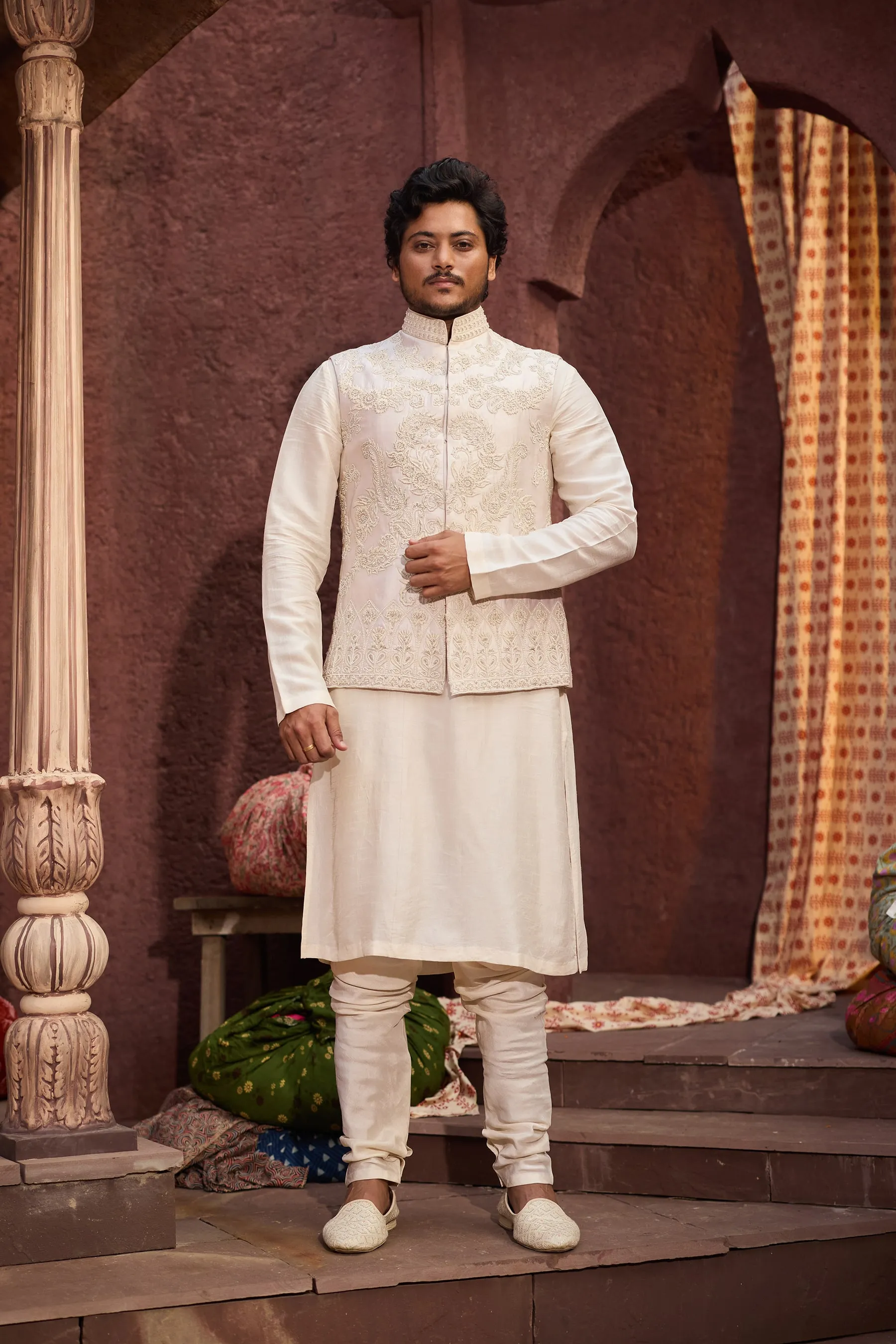
- Silhouettes: a kurta with a Nehru jacket, a light achkan or a bandhgala.
- Colours: soft, optimistic shades such as powder blue, sage, champagne, blush and ivory.
- Fabrics: cotton-silk, fine wool-silk or a light raw silk, with restrained embroidery.
- Accessories: a pocket square, mojaris and a simple watch.
An engagement may involve a ring ceremony and many photographs, so choose a colour that photographs well and a fit that is sharp. Our guides to the roka ceremony outfit and the engagement outfit go into detail, and the roka and sagai edit gathers suitable pieces from our Nehru jacket collection and achkan collection.
Haldi
The haldi is the most playful and the messiest event. Turmeric paste is smoothed onto the groom by family and friends, who are not always gentle.
- Silhouette: a light kurta with churidar or pyjama, sometimes a light jacket.
- Colours: yellow, ivory, cream, blush, mint and pastels. Avoid black and very dark colours.
- Fabrics: cotton, cotton-silk and linen blends that breathe and forgive a stain.
- Mindset: plan the outfit around the turmeric, not against it.
See our haldi outfit guide for colour and fabric advice, and the haldi and mehendi edit for pieces such as the Gulkand in blush.
Mehendi
The mehendi is a relaxed daytime or afternoon celebration where the bride’s hands are decorated with henna. The groom may attend a joint event or a separate celebration.
- Silhouette: a printed or embroidered kurta, a colourful Nehru jacket or a relaxed Indo-Western set.
- Colours: greens, pistachio, sage, terracotta, mustard and earthy tones.
- Details: a printed stole or a patterned jacket adds personality.
See our mehendi outfit guide for ideas.
Sangeet and cocktail
The sangeet is an evening of music, dance and performance, often with families rehearsing for weeks. It is a chance for the groom to dress with flair, and to move.
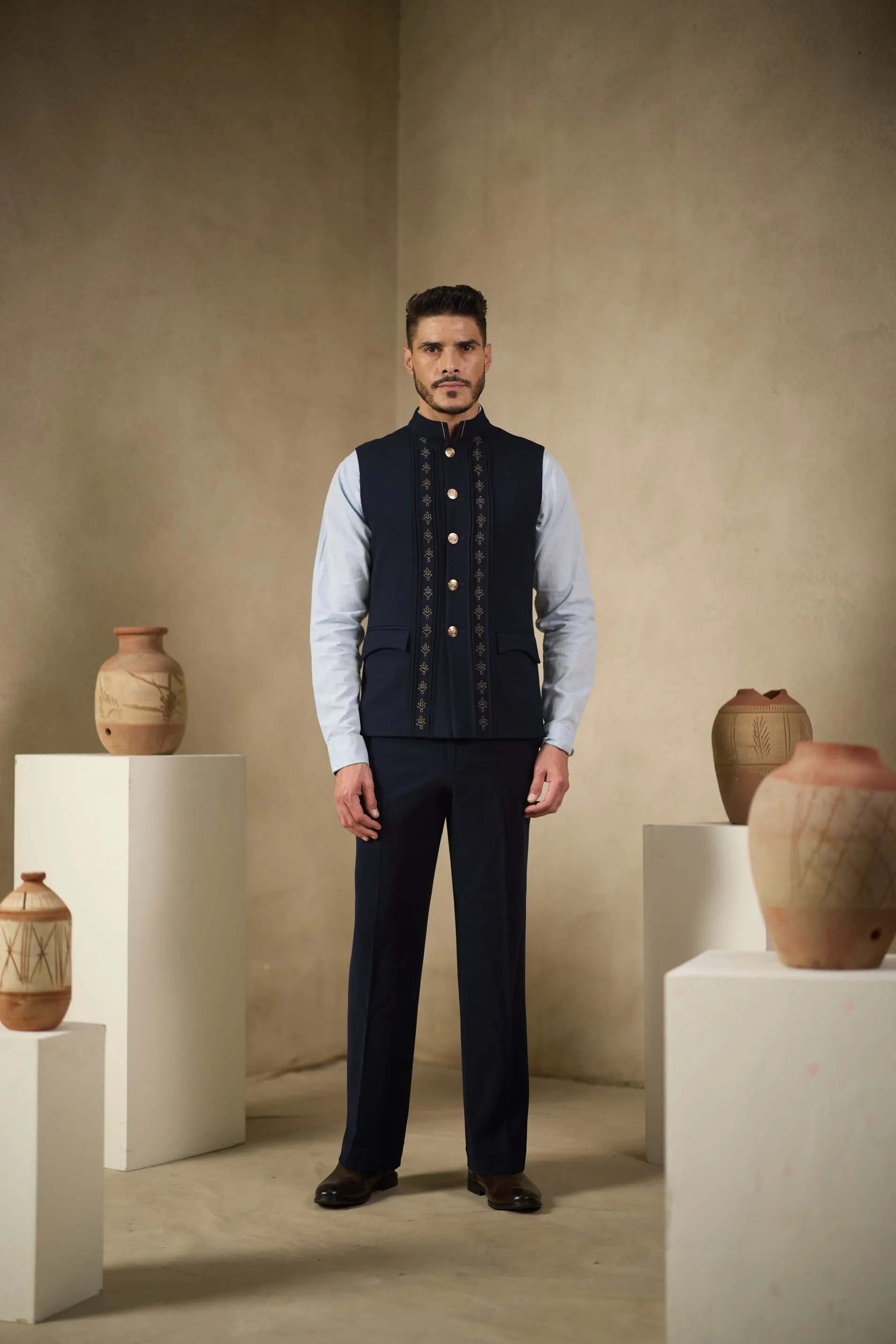
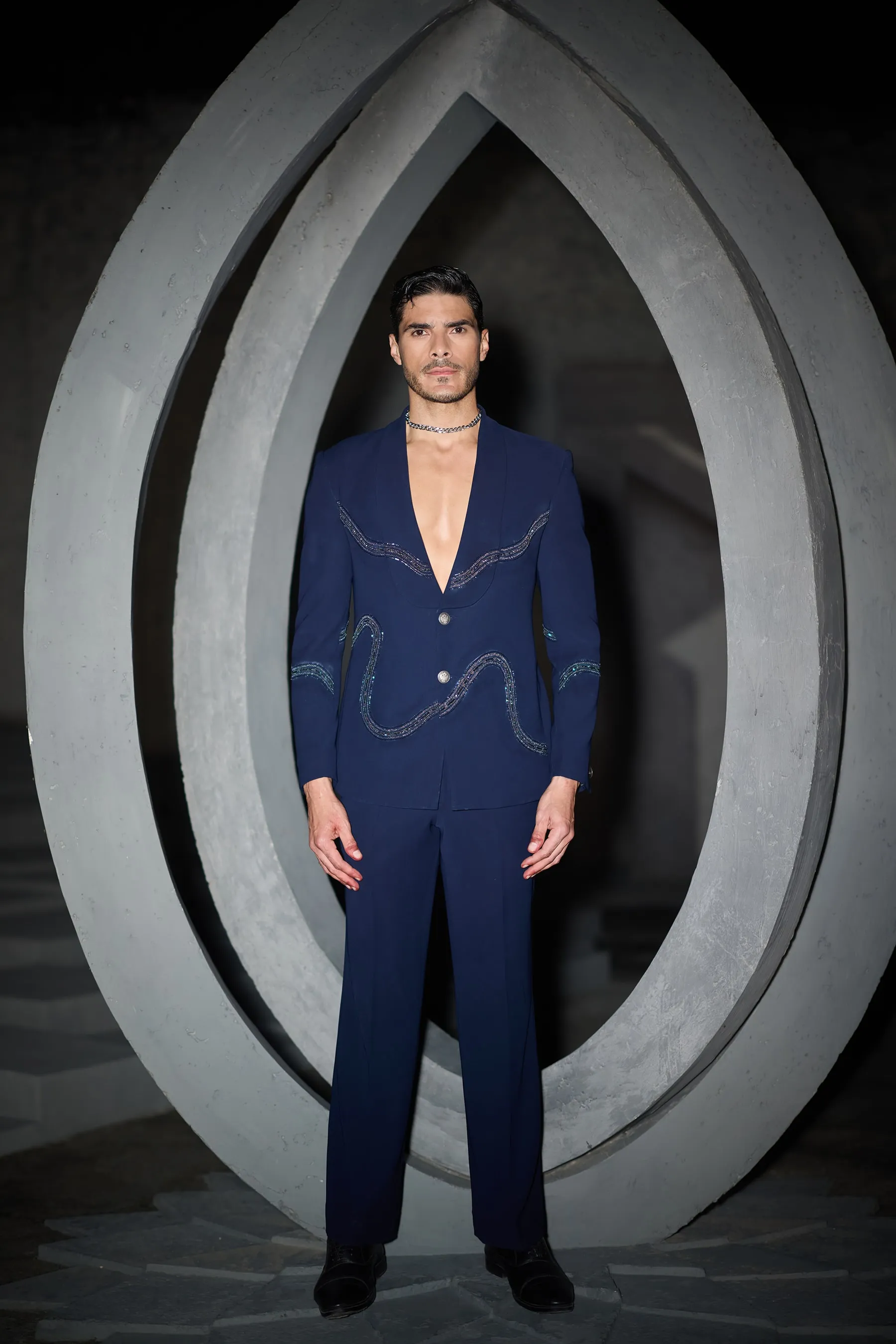
- Silhouettes: an embellished bandhgala, a velvet jacket, an Indo-Western set or a tuxedo.
- Colours: navy, black, emerald, burgundy and rich jewel tones.
- Fabrics: velvet in winter, a fine wool-silk or a stretch fabric for dancing.
- Details: a satin lapel, a statement brooch and polished shoes.
Our sangeet outfit guide and cocktail party outfit guide cover fit and fabric, and the sangeet and cocktail edit gathers pieces from our bandhgala collection, tuxedo collection and Indo-Western collection.
Baraat, sehra bandi and milni
The baraat is the groom’s procession to the wedding venue, with music, dancing and a horse or decorated car. The sehra bandi, when the groom is dressed and the sehra tied, often precedes it, and the milni, the meeting of the families, follows.
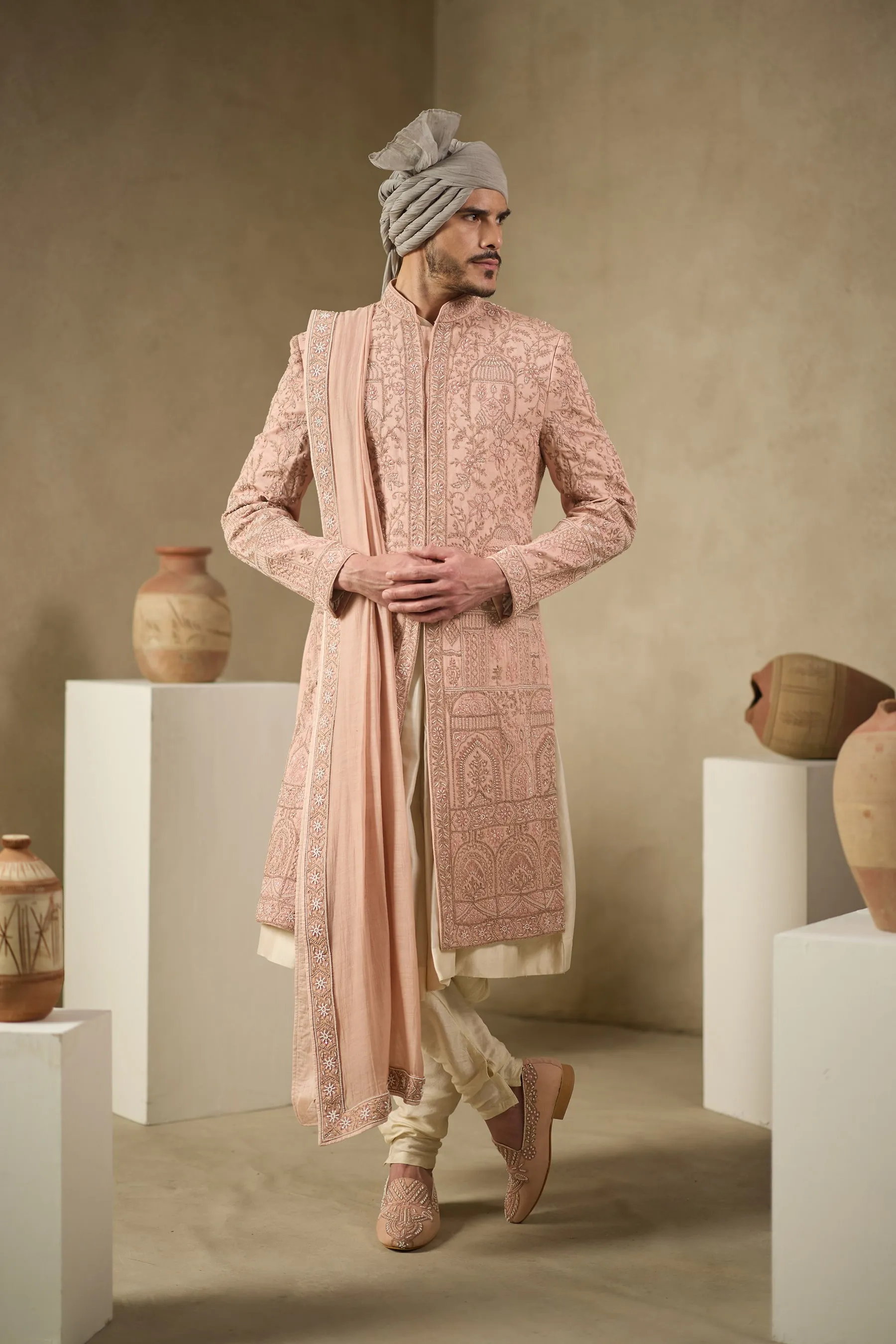
- Silhouette: a sherwani with a safa or turban, a stole and a sword or kalgi.
- Colours: ivory, gold, champagne, saffron, maroon and rose.
- Fabrics: raw silk, brocade or velvet, with a breathable lining.
- Practicalities: shoes you can dance in, a plan for heat or cold and a trusted relative to carry the sword and accessories.
Read our baraat outfit guide, and browse the baraat and pheras edit and the sherwani collection. The Sarson in mustard gold and the Parinay in ivory are examples. If you are choosing between silhouettes, see sherwani vs achkan vs bandhgala, and for the most popular colour, the ivory sherwani guide.
Varmala, pheras and the main ritual
The varmala, or exchange of garlands, and the pheras, the seven circles around the sacred fire, are the heart of a Hindu wedding. They are long, seated or standing for hours, near a fire, and photographed at close range.
- Silhouette: the wedding-day sherwani or achkan, sometimes with a lighter outer layer removed for comfort.
- Colours: auspicious and traditional, such as ivory, gold, saffron and maroon.
- Fabrics: natural fibres, not synthetic ones, since synthetics near a fire are unsafe.
- Comfort: ease at the seat and thighs for sitting, and a breathable lining.
See our pheras outfit guide for fit and fabric details.
Vidaai and the morning after
The vidaai, the bride’s farewell, is emotional, and many grooms wear the wedding outfit or a lighter, comfortable formal Indian outfit. After the wedding, a post-wedding lunch or the next morning’s rituals may call for a kurta set or a Nehru jacket. A comfortable change is welcome after a long day.
Reception
The reception is the formal evening party, often with a stage, a dinner and many guests.
- Silhouettes: a bandhgala, a tuxedo or a second sherwani in a contrasting colour.
- Colours: midnight navy, black, charcoal, deep green, burgundy or champagne.
- Fabrics: fine wool, velvet or silk, with a clean cut.
- Details: a pocket square in the bride’s accent colour, polished shoes, and a fit that holds for six hours.
Our reception outfit guide covers the details, and the reception edit includes pieces such as the Aftab bandhgala in midnight navy and the Lehar tuxedo in navy.
Muslim weddings
| Ceremony | What the groom usually wears |
|---|---|
| Engagement / mangni | Bandhgala, formal suit or understated sherwani |
| Manjha / ubtan (where customary) | Lightweight kurta-pyjama |
| Mehndi | Colourful kurta, printed silk or an embroidered Indo-Western outfit |
| Dholki (where customary) | Relaxed luxury kurta or Indo-Western set |
| Nikah | Zardozi sherwani, achkan, formal kurta set or tailored suit |
| Rukhsati | Wedding outfit or a comfortable second formal look |
| Walima | Bespoke sherwani, achkan, bandhgala or tuxedo |
The nikah calls for a dignified outfit in ivory, cream, pastel or soft gold, often with a topi or safa, comfortable for sitting. The walima, the reception hosted by the groom’s family, allows richer colours and more modern silhouettes. For the details, read our nikah and walima groom outfit guide.
Punjabi Sikh weddings
| Ceremony | What the groom usually wears |
|---|---|
| Roka / thaka | Bandhgala or an understated kurta-jacket |
| Sagai / kurmai | Embroidered achkan or a formal Indo-Western outfit |
| Akhand Path (where observed) | Modest kurta-pyjama or appropriate traditional attire |
| Sangeet | Embellished bandhgala, velvet jacket or formal kurta |
| Mehendi | Colourful kurta set |
| Maiyaan / vatna | Simple kurta-pyjama, often in a family-selected light or yellow shade |
| Jaggo | Colourful embroidered kurta, jacket or a celebratory Indo-Western look |
| Choora / family rituals (where observed) | Comfortable traditional outfit |
| Sehra bandi and milni | Sherwani with safa or turban and an optional sehra |
| Anand Karaj | Sherwani or achkan with a suitable turban; respectful gurdwara styling |
| Doli | Wedding attire or a practical change of outfit |
| Reception | Tuxedo, bandhgala or a second statement sherwani |
The Anand Karaj takes place in the gurdwara, where the head is covered, shoes are removed and everyone sits on the floor. The pagri, kalgi and sehra are central to the look. See our Sikh wedding groom outfit guide.
Bengali weddings
A Bengali groom traditionally wears a cream or ivory silk or cotton panjabi with a dhoti, a chadar and a topor, a conical crown of sola pith. The gaye holud calls for a light, yellow or pastel outfit; the bou bhaat and reception allow a richer kurta set, a bandhgala or a sherwani. Our Bengali groom wedding outfit guide explains the details.
South Indian weddings
South Indian grooms commonly wear a silk veshti (also called panche, mundu or dhoti) with an angavastram, sometimes with a silk shirt or kurta, in cream or ivory with a gold border. Many change into a bandhgala or sherwani for the reception. See our South Indian groom wedding attire guide.
Beyond the groom: dressing the family and the party
A groom’s outfits sit within a picture that includes his family, groomsmen and guests.
- The father of the groom wears a dignified achkan, bandhgala or kurta with jacket; see our father of the groom’s outfit guide.
- The groom’s brother wears a related but simpler outfit; see the groom’s brother’s outfit guide.
- Groomsmen coordinate through palette; see groomsmen outfits for an Indian wedding.
- Guests should dress respectfully and avoid the couple’s colours; see the male guest outfit guide.
Sharing the palette early prevents clashes and makes the photographs cohere. A short conversation with the bride about colours, held early, is also appreciated; see our guide to wedding colours for the groom.
A sample wardrobe for a four-day wedding
To make this concrete, here is a sample plan.
- Day one, roka and mehendi. A cream kurta with a tonal Nehru jacket in the morning; a printed stole for the mehendi.
- Day one evening, sangeet. A midnight navy bandhgala or a black velvet jacket with a satin lapel.
- Day two morning, haldi. A yellow or ivory cotton-silk kurta set.
- Day two, baraat and pheras. An ivory or champagne sherwani with zardozi, a safa, a stole and mojaris.
- Day three, reception. A tuxedo or a charcoal bandhgala with a pocket square.
Five outfits, shared accessories and a single palette give a coherent wardrobe. Adjust the plan to your community, climate and budget.
Fabrics, fit and comfort across the week
Because the events differ, so should the fabrics.
- Daytime: cotton, cotton-silk, linen blends.
- Evening: velvet, wool-silk, fine silk.
- Wedding day: raw silk, brocade and silk blends with a breathable lining.
- Travel: fabrics that recover from creases.
Fit matters in every outfit. Sit, stand, raise your arms and walk at each fitting. A jacket that pulls when you dance, or a sherwani that restricts sitting, will spoil an event that cannot be repeated.
Common mistakes to avoid
- Leaving the wedding-day outfit until last. It needs the longest lead time.
- Wearing the same colour at every event. Vary the palette.
- Ignoring the weather. Choose fabrics for the season.
- Skipping fittings. Two fittings are the minimum.
- Overlooking accessories. The safa, stole, shoes and brooch complete the look.
- Not checking family customs. Ask the elders.
Frequently asked questions
What does the groom wear at an Indian wedding?
A light kurta or jacket for daytime events, a bandhgala or velvet jacket for the sangeet, a sherwani or achkan for the baraat and pheras, and a bandhgala, tuxedo or second sherwani for the reception.
How many outfits does a groom need?
Usually four to six, with the wedding-day sherwani as the centrepiece.
How early should the groom plan?
Eight to twelve weeks before the first event, starting with the wedding-day outfit.
Can outfits be re-worn?
Yes. A bandhgala or a Nehru jacket serves for years, and a sherwani can be worn again with different accessories.
Final thoughts
A groom’s wardrobe is a story told in a sequence of outfits, from the easy warmth of the roka to the solemnity of the pheras and the polish of the reception. Plan it as a whole, start with the wedding-day piece, and let colour, fabric and accessories carry the thread. If you would like help planning the full sequence, book an appointment and we will map it out with you.
Shop the looks
Explore each edit: roka and sagai, haldi and mehendi, sangeet and cocktails, baraat and pheras and reception, or browse the sherwani, bandhgala and kurta set collections.